
Introduction to AI Content Creators
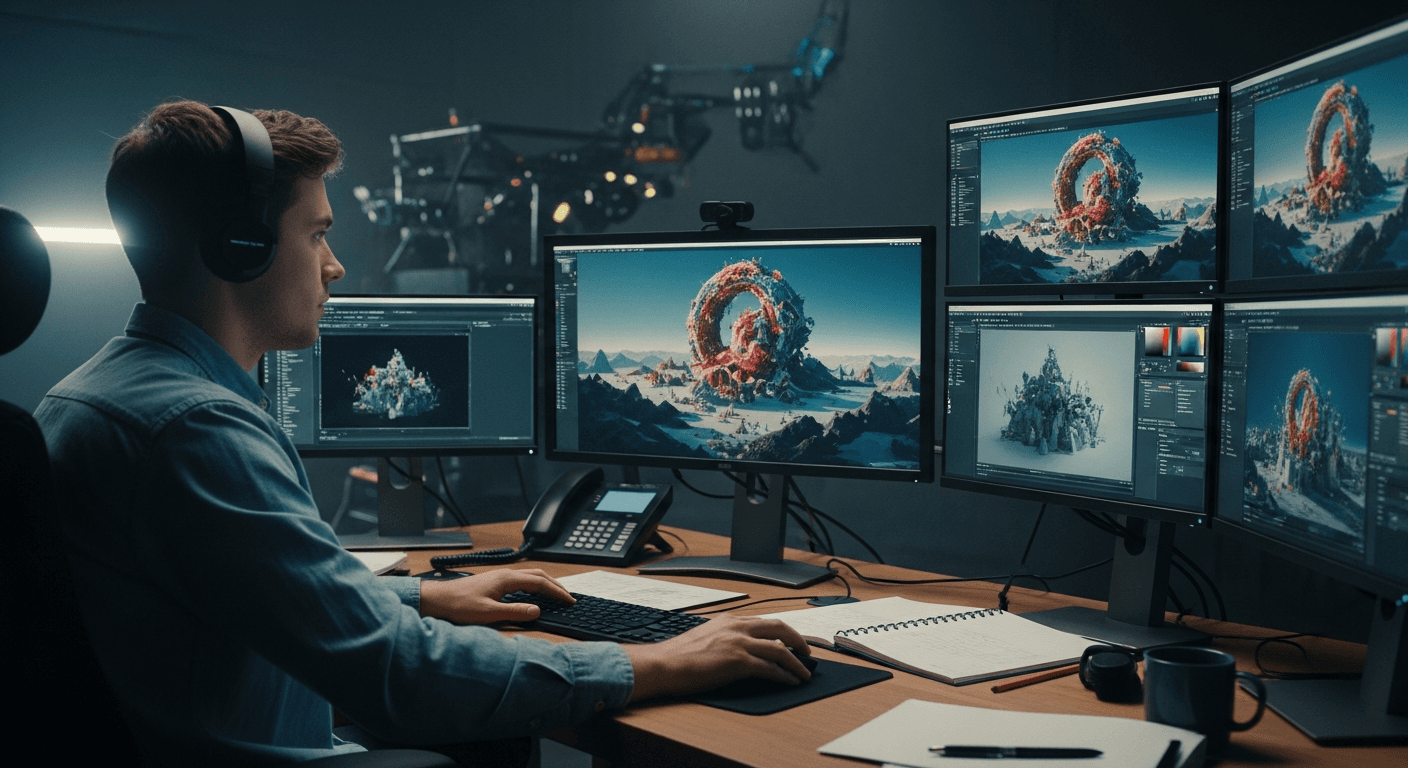
Imagine sitting at your desk, the screen flickering in front of you, and you need to produce a large amount of content in a very short time. Stressful, right? This is exactly where AI content creators come in to make your life easier.
An AI content creator is a software tool that uses artificial intelligence to generate content. This content can include text, images, videos or even music. The technology behind it uses algorithms and machine learning to simulate creative processes that would normally require human creativity. This means you can use an AI content creator to produce high quality content in no time often with just a few clicks.
But why are these tools so important in today’s digital landscape? The answer lies in the enormous amount of content that is published online every day. Companies and individuals are under constant pressure to stay relevant and visible. An AI content creator can help by automating and accelerating the content creation process. This frees up time for strategic planning and creative ideation.
Another key advantage is consistency. Human creativity fluctuates, while AI delivers steady quality. This is especially valuable for brands that want to maintain a unified voice and message across different platforms.
In short, AI content creators offer a powerful solution to the challenges of modern content production. They save time, increase efficiency and allow you to focus on what matters most: creative strategy.
What Are AI Content Creators?
AI content creators are digital tools that use artificial intelligence to produce content. They have gained importance in recent years because they are transforming the way content is created. But what exactly makes them stand out compared to traditional content creators?
Difference Between Traditional and AI driven Content Creators
Traditional content creators are usually people who use their creativity, experience and knowledge to develop content. They often work through creative processes that require time and resources. Think of a writer who spends hours polishing an article or a designer who develops a visual concept. These processes are subjective and heavily influenced by individual creativity.
AI content creators, on the other hand, rely on algorithms and machine learning. They analyze large amounts of data and use pattern recognition to generate content that suits the needs and preferences of the target audience. For example, an AI driven content creator can write an article on a specific topic within seconds by summarizing relevant information from a variety of sources.

How Do AI Content Creators Work Technically?
Technically, AI content creators use machine learning models based on neural networks. These networks are trained to understand and produce language by analyzing huge datasets. One well known model is GPT (Generative Pre trained Transformer), which can generate humanlike text.
Here is a simplified diagram idea illustrating the process: It begins with input data that the model analyzes. It then generates the desired content based on recognized patterns and the given structure. This ability to produce content quickly and efficiently makes AI content creators a valuable tool in today’s digital world.
In summary, AI content creators not only improve efficiency but also expand creative possibilities. They offer a new perspective on content production and open exciting opportunities for the future.
Applications of AI Content Creators
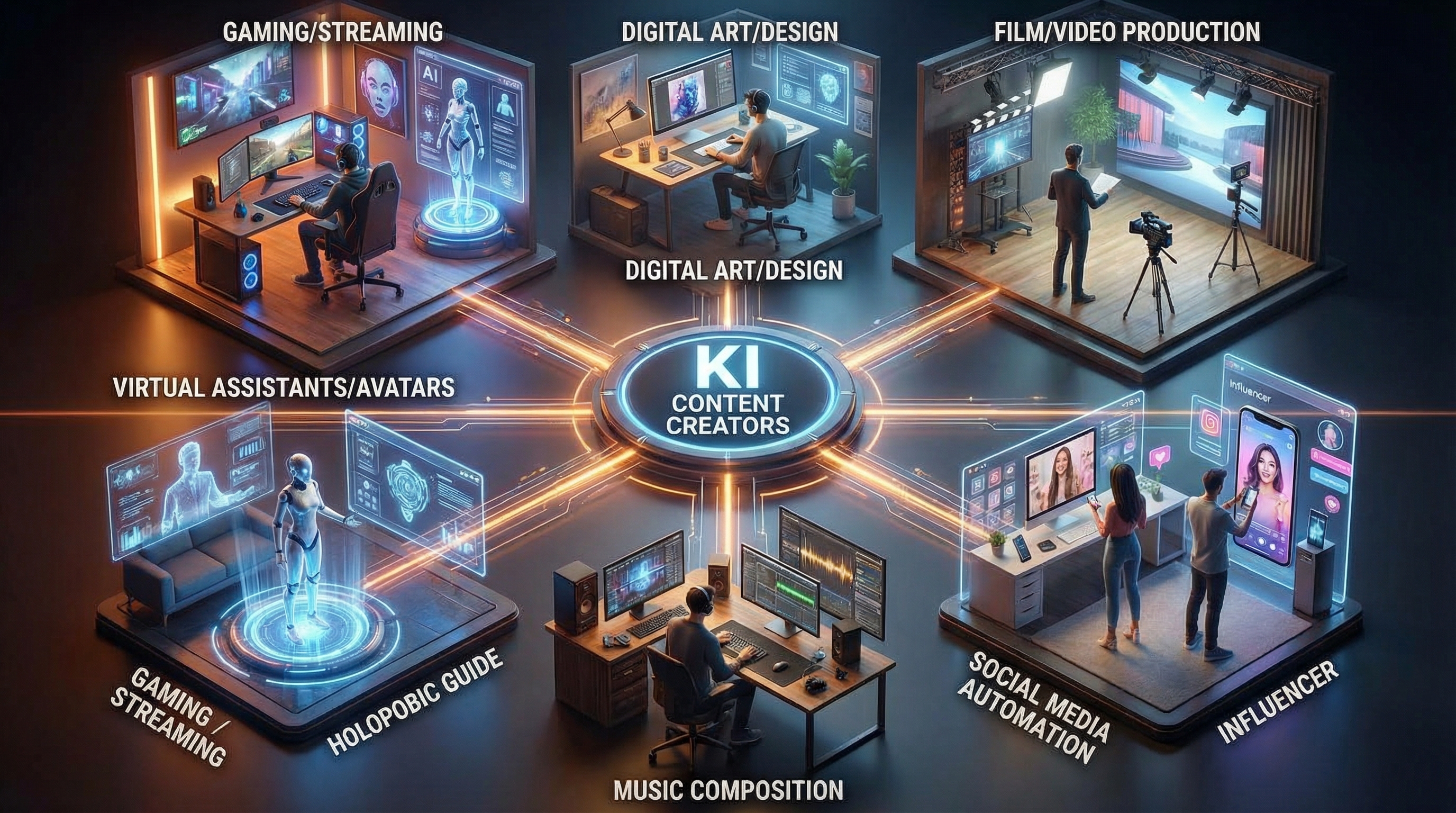
AI content creators have become essential tools in many fields. They offer efficiency and creative opportunities that traditional content creation often struggles to achieve. But where exactly can they be used? Let’s take a closer look.
Marketing: Personalized Content at the Push of a Button
In marketing, AI content creators are particularly valuable. They enable fast and efficient creation of personalized content. Imagine being able to generate custom newsletters or product descriptions for each customer based on their interests and behavior. This increases relevance and strengthens customer engagement. For example, an online store can use AI to automatically create product descriptions based on a customer’s previous purchases.
Education: Support for Teachers and Learners
AI content creators are also used in education. They help teachers create learning materials tailored to students’ needs. A teacher could use AI to generate quiz questions or learning modules that reflect the class’s level. Learners benefit from personalized learning paths and interactive content that make learning more engaging and effective.
Media and Journalism: Automated Reporting
In the media industry, AI content creators support automation of routine tasks. They can produce simple news reports or event summaries in real time. This relieves journalists and allows more time for in depth research. A common example is automatic generation of sports reports based on match statistics.
Creative Industries: Inspiration and Support
In creative fields such as scriptwriting or art production, AI content creators can serve as a source of inspiration. They offer new ideas and perspectives that enrich the creative process. For instance, an author might use AI to develop alternative plotlines for a novel.
Advantages of Using AI Content Creators
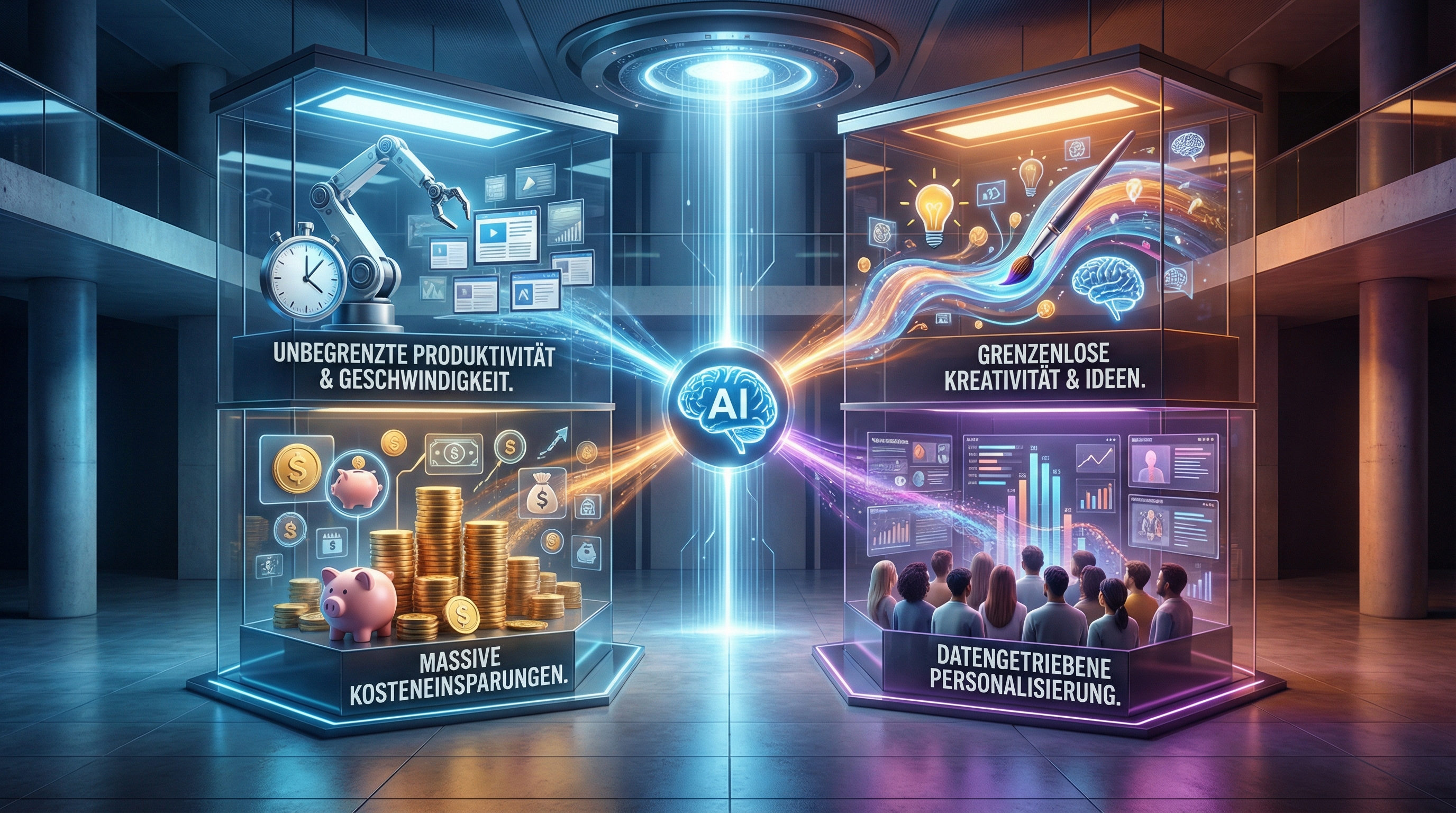
The benefits are diverse. They save time, reduce costs and ensure consistent quality. They also enable scalability that is often impossible with human resources alone. By automating routine tasks, more time remains for strategic and creative work.
Technological Challenges
First, there is technological complexity. AI models are impressive, but not infallible. They can make mistakes, especially when trained on insufficient or biased data. A classic example is the bias problem, where models adopt hidden prejudices from their training data. This can lead to discriminatory content that is both unethical and legally problematic.
Another risk is overreliance on technology. If companies depend too heavily on AI content creators, they might lose human creativity and originality. Technical outages could also disrupt content production entirely.
Ethical Challenges
In addition to technical issues, ethical concerns arise. Questions of authorship are central. Who owns AI generated content? How can copyright compliance be ensured? These questions remain unresolved and can lead to legal conflicts.
Transparency is another concern. Users should know whether they are interacting with human or AI generated content. Some companies might be tempted to hide this to save costs or achieve a certain effect.
Misconceptions and Corrections
A common misconception is that AI content creators can operate fully autonomously. In reality, they require ongoing oversight. Human editors must review and revise content to ensure quality standards are met.
To address these challenges, clear guidelines and ethical standards are essential. Companies should invest in training staff to understand how the technology works and what its limitations are.
Overall, being aware of the challenges and risks is crucial for responsible and effective use of AI content creators.
Potential Innovations and Trends
One major trend is increased personalization. AI content creators may soon produce content tailored to each user’s preferences. Imagine reading an article that matches your interests, writing style and favorite topics. This level of customization could significantly boost user engagement.
Another emerging trend is multimodality. AI systems may be able to combine text, images, videos and interactive elements seamlessly. This opens new opportunities for storytelling and information delivery. For example, an interactive article could include dynamically adapting videos and graphics.
How AI Content Creators Might Transform Content Production
Efficiency will increase as AI automates repetitive tasks, freeing humans for strategic and creative work. This could democratize content creation by giving more people access to high quality content without deep technical skills.
AI may also be used more frequently to analyze trends and real time data. This can be particularly valuable in journalism, where accuracy and relevance depend on current information.
Overall, AI content creators could fundamentally reshape how we create and consume content. As the technology evolves, it remains essential to consider ethical responsibility and maintain balance between automation and human creativity.
Best Practices
Define clear goals. Know exactly what you want to achieve, whether it’s increasing output, improving quality or exploring new creative options.
Combine human and machine strengths. AI can generate impressive content, but the human touch remains essential. Use AI to speed up tasks while focusing on strategy and creative refinement.
Review and adjust regularly. AI tools evolve quickly. Stay updated on new features and adapt your workflow accordingly.
Respect privacy and ethics. Ensure that AI use complies with data protection rules and ethical standards. Transparency builds trust.
How to Choose the Right AI Content Creator
Check functionalities. Different tools offer different features. Identify which ones matter most for your needs.
Assess ease of use. An intuitive interface saves time and frustration.
Evaluate cost versus benefit. A more expensive tool may deliver greater long term value if it improves productivity significantly.
Look for support and community. Good customer service and an active user base are valuable learning resources.
Using AI content creators can be complex, but with these tips you can fully leverage the technology. Often, the best results come from blending human creativity with machine efficiency.
Conclusion and Recommendations
Bringing AI content creators into the creative process offers a powerful way to boost efficiency and improve content quality. Key insights include saving time, overcoming creative blocks and generating new ideas. As with any tool, success depends on how you use it.
Key Takeaways & Concrete Steps
Blend human intuition with machine speed for the best results. Take advantage of the flexibility of AI tools. Expect a learning curve before reaching full potential.
Plan a testing phase to explore features.
Provide training so your team can use the tools effectively.
Set up feedback loops to refine results.
Redefine creative workflows to integrate AI strengths.
By following these steps, you can make the most of AI technology while ensuring your content remains efficient and creatively strong. The key to success lies in balancing human creativity with machine driven efficiency.